

The $10-million Innovation Fund was negotiated as a key component of the 2022-26 agreement. Twenty‑eight medical clinics across Saskatchewan have received support from the Innovation Fund to better meet the needs of their patients and communities. These projects are helping clinics add team members, improve care, and build stronger, physician-led, team‑based care.
The Saskatchewan Medical Association is profiling individual physicians whose Innovation Fund project ideas are driving change in family medicine in Saskatchewan. Featured is Dr. Daniel Glaeske and the team at the Centre Street Medical Clinic in Assiniboia.
Dr. Daniel Glaeske and the team at Centre Street Medical Clinic in Assiniboia are leading an ambitious Innovation Fund project designed to strengthen rural primary care by tackling one of the region’s most pressing challenges: Navigating a fragmented, geographically dispersed, and increasingly complex health system.
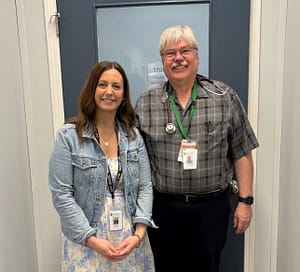
The project introduces a full-time Registered Nurse Patient Navigator who will travel weekly to satellite sites. It’s an investment the team believes will transform care delivery not only within their own clinic but across the broader network of rural communities they support.
For people living in and around Assiniboia, accessing primary care can mean driving long distances, facing limited appointment availability, navigating two separate EMRs, and managing chronic conditions with incomplete information. These gaps strain patients and providers alike.
These realities compound the pressures on already overstretched physicians. In 2024, 68 per cent of clinic visits for chronic disease management for patients living with diabetes required additional follow-up appointments because lab information or treatment planning could not be completed during the original visit. Physicians and nurse practitioners are spending valuable time tracking down information instead of providing care. And with third next available appointment times for some providers reaching 14 to 17 days, delays are magnified across the entire system.
The primary care team in Assiniboia works very closely, meets regularly, and supports innovation in the Circle Centre Medical Clinic and Saskatchewan Health Authority-operated Red Coat Primary Health Care Centre. The teams envision a Patient’s Medical Home model that encompasses both clinics and satellite clinics in surrounding areas, with multidisciplinary team members supporting patients connected to all providers in the area.